Water Safety Tips for Families in Singapore
Calm, practical habits for pools, condos and the beach, from supervision and lightning to what to do if someone is in trouble.
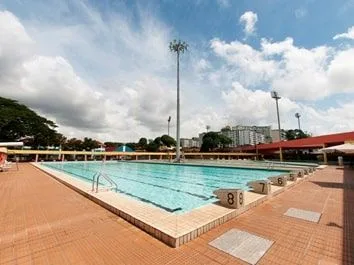
Water safety is a set of habits, not a single rule
Swimming is one of the best things a family can do together in Singapore, whether at a public swimming complex, a condo pool or the beach. This guide covers a few calm, practical habits that every parent, grandparent and helper can use.
The World Health Organization estimates around 300,000 drowning deaths worldwide each year, and lists drowning among the leading causes of death for children aged 1 to 14. The same fact sheet notes that drowning is preventable, through measures such as barriers around water, supervision and teaching children swimming and water safety skills. No single measure is enough on its own, so it helps to think in layers.
Supervision: the layer that matters most
The US Centers for Disease Control and Prevention (CDC) notes that drowning can happen in seconds and is often silent. A child who slips under may not splash or shout. That is why supervision needs to be active, not just being nearby.
- Stay within arm's reach of young children and weak swimmers. The American Academy of Pediatrics (AAP) recommends staying within arm's length and giving constant "touch supervision" to young children, in the bath or the pool.
- Name a water watcher. When several adults are present, it is easy for each to assume someone else is watching. Agree on one adult whose only job is to watch the children in the water, and hand over clearly when you swap.
- Put the phone away. Reading, scrolling, chatting and drinking alcohol all pull attention away from the water. Save them for when the children are out of the pool.
- Count heads often. In a group, do regular head counts, especially when children move between the shallow end, the slide and the pool deck.
A simple rule for the family: children only go into the water when a named adult says "I'm watching", and they come out when that adult has to leave, even for a minute.
Layers of protection
- Supervision. Active, close and without distractions, as above.
- Barriers. WHO and the AAP both point to fencing around pools as an effective way to keep young children away from water when no adult is watching. In a condo, check that pool gates close and latch properly, and never prop them open. Talk to your management office if a gate is faulty.
- Swimming and water safety skills. The CDC notes that formal swimming lessons can reduce the risk of drowning, but that children who have had lessons still need close and constant supervision. Lessons are a layer, not a guarantee.
- Life jackets in open water. The AAP advises that children wear a properly fitted life jacket in, on or near natural bodies of water. It is a sensible habit for weak swimmers of any age at the beach or on a boat. Arm bands and inflatable toys are not life-saving devices.
- Knowing what to do in an emergency. Knowing how to call for help and how to perform CPR is the last layer, covered below.
At public swimming complexes
Public swimming complexes usually have lifeguards on duty, which is a real advantage. A lifeguard, however, is watching a whole pool, not your child. Parents and carers should still supervise their own children closely.
- Read and follow the posted pool rules, including depth markings and any restrictions on diving.
- Keep young children and weak swimmers in the shallow or children's pool, and stay in the water with them.
- Walk, do not run, on wet pool decks.
- Take regular breaks out of the water so that tired children do not keep going past their limits.
At condo pools
Many condominium pools do not have a lifeguard on duty, so adult supervision is essential. Check your condo's pool rules, which may set age limits for unaccompanied swimmers. Keep a clear line of sight to the whole pool, not just the shallow end, and make sure gates to the pool area stay shut when the pool is not in use. If you have a helper who takes the children swimming, make sure they are comfortable in the water themselves and understand the same rules.
At the beach and in open water
The sea behaves very differently from a pool. Water depth changes, visibility is lower and currents and waves can tire even confident pool swimmers.
- Only swim where swimming is permitted, and follow any signs or instructions on site.
- Stay close to shore, with an adult in the water beside young children.
- Put weak swimmers in a properly fitted life jacket.
- Watch for jellyfish advisories. NParks has advised visitors to East Coast Park who intend to enter the water to cover exposed skin because of jellyfish sightings, and to take precautions against box jellyfish.
- Do not go into reservoirs, canals or drains unless you are taking part in an organised, permitted activity.
Weather and lightning
Singapore has frequent thunderstorms, and water is a dangerous place to be during one. The National Environment Agency (NEA) advises against staying in or near water bodies such as the sea or a swimming pool during thunderstorms, to seek shelter in a building or car, and to wait at least 30 minutes after thunder is last heard before resuming outdoor activities. Leave the pool at the first sound of thunder, even if the lifeguard has not yet called everyone out. For lessons, lightning and weather arrangements follow the Swim2u terms and conditions.
Heat, sun and hydration
Outdoor pools in Singapore can be hot and bright, even on cloudy days. Bring a water bottle and drink during breaks, because swimmers often do not notice they are thirsty. Use sunscreen, a rash guard and shade for rest breaks, and avoid long sessions in the strongest midday sun. A child who is tired, cold or shivering should come out and rest.
If someone is in trouble in the water
- Shout for help and alert a lifeguard if one is present.
- Reach or throw, do not go. Reach out with a pole, towel or noodle, or throw something that floats, while keeping yourself safely on the edge. Untrained rescuers who jump in can get into difficulty themselves.
- Call 995 for an SCDF emergency ambulance. SCDF lists loss of consciousness and breathlessness among the emergencies that warrant a 995 call.
- Start CPR if trained and the person is not breathing normally, and continue until help arrives.
The AAP recommends that parents, carers and older children learn CPR and safe rescue techniques. In Singapore, the Singapore Heart Foundation runs CPR and AED certification courses for the public. It is a few hours well spent for any family that swims.
Children with autism and other additional needs
Many children with autism are drawn to water. A 2017 study in the American Journal of Public Health found that drowning accounted for a large share of injury deaths among children with autism, and that their drowning risk was markedly higher than in the general population. For these families, barriers, close supervision and early water safety lessons matter even more. Our special needs swimming course covers how Swim2u adapts lessons, and Swim2u is an Autism Swim approved provider.
How swimming lessons fit in
Lessons build the skills a child or adult needs to stay safe: getting in and out of the pool safely, floating, turning back to the wall, breathing calmly and moving through the water. They also build respect for the water. They work best alongside the other layers above, not instead of them.
In Singapore, SwimSafer is the National Water Safety Programme run by Sport Singapore and Singapore Aquatics. It has six progressive stages, from Stage 1 and 2 through to Bronze, Silver and Gold, and teaches swimming proficiency together with water survival skills. Read more on our SwimSafer course page.
- Toddler swimming courseWater familiarity and first safety habits for children 4 and below
- Kids swimming courseStrokes, floating and water safety for children 12 and below
- Water confidence courseFor nervous learners of any age
- Adult swimming courseFor parents and carers who want to be safer in the water
- Swimming course for seniorsFor grandparents who take children to the pool
- Special needs swimming courseAdapted lessons with a patient, structured approach
Not sure where to start? Read how to choose a swimming course, the best age to learn swimming or browse swimming course locations.
Sources
- World Health Organization, Drowning fact sheet. Around 300,000 drowning deaths a year worldwide; a leading cause of death for children aged 1 to 14; prevention includes barriers, supervision and teaching swimming and water safety skills.
- CDC, Preventing Drowning. Drowning happens in seconds and is often silent; swim lessons reduce risk but children still need close, constant supervision; avoid distractions such as phones.
- American Academy of Pediatrics (HealthyChildren.org), Drowning Prevention for Curious Toddlers. Arm's-length touch supervision, a designated water watcher, pool fencing, life jackets in natural water, and learning CPR and safe rescue.
- National Environment Agency, Lightning safety poster. Do not stay in or near the sea or swimming pools; seek shelter; wait at least 30 minutes after thunder is last heard.
- Singapore Civil Defence Force, Emergency Medical Services. Call 995 for emergencies such as loss of consciousness and breathlessness.
- Singapore Heart Foundation, Take a course. CPR and AED certification courses for the public.
- National Parks Board, East Coast Park. Visitors entering the water are advised to cover exposed skin and take precautions against box jellyfish.
- ActiveSG Circle (Sport Singapore), SwimSafer. National Water Safety Programme with six stages, run by Sport Singapore and Singapore Aquatics.
- Guan and Li, American Journal of Public Health (2017), Injury Mortality in Individuals With Autism. Children with autism face a substantially elevated risk of drowning.
Build water safety skills with a swimming course
Tell us the learner's age, their swimming experience and anything the instructor should know. We will suggest a suitable course, format and pool. Lessons run at public swimming complexes, private venues and condominium pools across Singapore.