Swimming Course for Seniors in Singapore
It is not too late to learn. Older learners join Swim2u's adult course, with lessons paced around your comfort, fitness and goals.
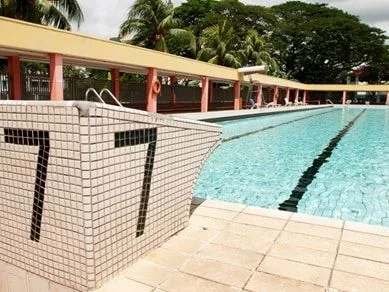
A swimming course for seniors, at a pace that suits you
Swim2u does not run a separate seniors programme. Older learners join the adult swimming course (for learners above 12), and the instructor adjusts the pace, the rest breaks and the skills to suit you. Whether you are learning at 50, 60 or 70, the lessons start from where you are, not from where a younger swimmer might be.
When you enquire, tell us your age, any swimming you have done before and anything that affects how you move or how you feel in the water. That helps us suggest a suitable format and instructor.
Why many seniors decide to learn now
- Safety around family. Many grandparents take grandchildren to condo or public pools and want to be able to help if a child gets into difficulty, or simply to feel at ease in the water themselves.
- Low-impact exercise. Water supports part of your body weight, so swimming is often gentler on the joints than running or jumping-based exercise.
- A routine and a social outlet. A weekly lesson gives structure to the week, and learning alongside a spouse or friend makes it something to look forward to.
- Unfinished business. Some people never had the chance to learn as children and want to tick it off.
Is it too late to learn swimming?
No. Adults learn to swim at every age. Older beginners may take a little longer to relax and may need more repetition, but the basics of floating, breathing and moving through the water can be learnt in later life. The main thing is to set realistic goals and keep lessons regular.
What the lessons focus on
- Comfort in the water. Walking in the shallow area, getting used to the water around your shoulders and face, and learning how the water supports you.
- Breathing. Blowing bubbles, controlled exhaling and learning not to hold your breath, which is often the key to relaxing.
- Floating and standing up safely. Front and back floats with support, then recovering to standing on your own. Knowing you can stand up whenever you need to builds a lot of confidence.
- A stroke that suits your body. Backstroke keeps your face out of the water, and breaststroke lets you see where you are going and breathe easily. Many older learners find one of these more comfortable than freestyle, though this depends on your shoulders, neck and preference.
- Entering and leaving the pool. Using the steps or ladder rather than jumping or diving in, and climbing out in a steady, controlled way.
If you are nervous around water, the early lessons can look a lot like a water confidence course before any stroke work begins.
How the pace is adapted
- Shorter sets with more rest between them, rather than long continuous swims.
- More time on each skill before moving on, with plenty of repetition.
- Working in the shallow area for longer if that helps you stay relaxed.
- Stopping to rest whenever you need to. Tell your instructor if you feel tired, cold, breathless or unwell.
Water temperature is worth knowing about. Public pools are not heated to a set temperature, so the water may feel cool, particularly in the morning or after rain. Moving gently between skills and bringing a towel or robe for rest breaks on deck can help.
Staying safe at the pool
- Swim where lifeguards are on duty, and do not practise alone in deep water between lessons.
- Drink water before and after your lesson. Singapore's heat and humidity make it easy to become dehydrated, even while you are in the pool.
- At outdoor pools, use sunscreen and consider a hat for time on deck.
- Wear non-slip footwear on the pool deck and in changing rooms, where floors are often wet.
- Get out of the water slowly and stand for a moment before walking, especially if you feel light-headed.
Choosing a format and a pool
Swim2u adult lessons are 45 minutes, in packages of 4 lessons:
| Format | Adult course (per 4 lessons) | Ladies course with female instructor (per 4 lessons) |
|---|---|---|
| 1-to-1 | $320 | $360 |
| Group of 2 | $200 per person | $220 per person |
| Group of 3 or more | $160 per person | $180 per person |
Pool entry fees may apply separately; please confirm when you enquire. See swimming course fees for all programmes.
- 1-to-1 is what many older learners prefer: the pace is entirely yours and the instructor can focus on any concerns. See the private swimming course.
- A pair works well if you learn with your spouse or a friend at a similar level.
- Ladies course. Women can choose the ladies swimming course with a female instructor.
For the pool, look for one with steps (not only a ladder), a shallow area where you can stand comfortably and changing rooms close by. Weekday mornings are usually quieter at public pools than evenings and weekends. Lessons can take place at public swimming complexes, private venues and condominium pools; see swimming course locations.
Realistic progress
Everyone progresses differently. Some older beginners are floating and moving a short distance within the first package of 4 lessons; others need a few packages before they feel relaxed enough to put their face in the water. Regular lessons, with a little gentle practice in between where it is safe to do so, tend to help more than occasional long sessions. For a general idea, read how many swimming lessons you may need and how long it takes to learn swimming.
What to bring
- Comfortable swimwear and a towel (a robe or light jacket for rest breaks helps)
- Goggles and a swim cap (usually the learner's own)
- Non-slip slippers or pool shoes
- A water bottle, and sunscreen for outdoor pools
- Any medication your doctor has advised you to keep nearby
Lightning, weather and cancellation arrangements follow the Swim2u terms and conditions. Not sure which course fits? Read how to choose a swimming course.
Sources
- HealthHub (Singapore), 7 Easy Exercises to an Active Lifestyle. Recommends older adults aim for 150 to 300 minutes of moderate-intensity aerobic activity a week, plus strength, balance and flexibility exercises.
- CDC, About Physical Activity and Arthritis. Lists swimming and water exercises among joint-friendly activities that put little stress on the joints.
Ask about a swimming course for seniors
Tell us your age, your swimming experience and anything the instructor should know about your health, mobility or confidence. We will suggest a format, a suitable pool and a comfortable starting pace.